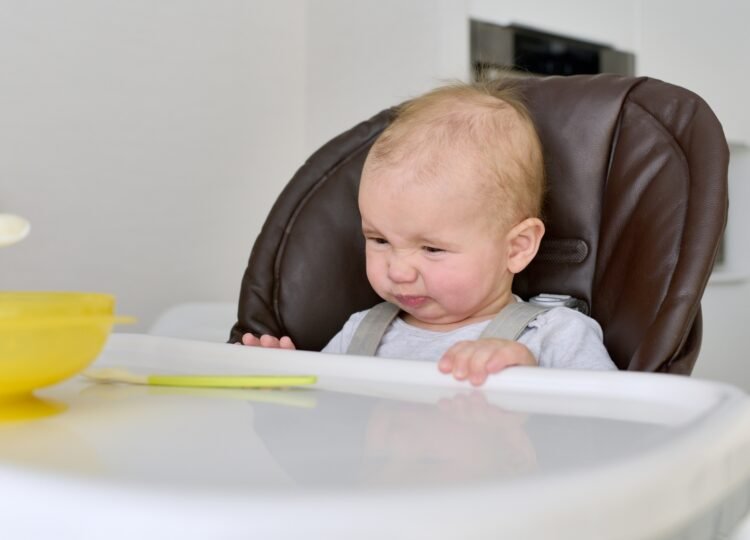

We get it! You’ve just started solids and you’re worried. Starting solids is often anticipated as an exciting milestone. Many parents imagine their baby eagerly tasting new foods and gradually eating small meals. In reality, the early weeks of solid food introduction often look very different.
Understanding what is happening during this stage can help reduce anxiety and set realistic expectations for your baby’s feeding journey.
Starting Solids: Eating Is a Skill, Not an Instant Outcome
When babies begin solids, they are not learning how much to eat. They are learning how to eat. This includes developing oral motor skills, coordination, and sensory familiarity with food. Touching, squishing, smelling, and even dropping food on the floor are all part of this learning process.
At this stage, breast milk or formula remains your baby’s primary source of nutrition. Solid foods are complementary and meant to support skill development rather than replace milk feeds. It is completely normal for intake to be minimal or inconsistent in the beginning.
Learn about how to start solids with confidence by downloading BLW Meals app.
Check for Readiness, Not Just Age
While many babies start solids around six months, readiness is about developmental signs rather than age alone. A baby who can sit with support, has good head and neck control, brings objects to their mouth, and shows interest in food is more likely to engage meaningfully with solids.
If your baby seems uninterested when you have just started solids, it may be a sign that they need a bit more time to develop these skills. Pausing, slowing down, or keeping exposure low-pressure can be more beneficial than pushing for intake.
Create a Low-Pressure Mealtime Environment
Babies are highly sensitive to their environment. Tension, anxiety, or pressure during meals when you have just started solids can affect their willingness to explore food. Focus on creating calm, predictable mealtimes where your baby feels safe to explore at their own pace.
Avoid coaxing, distracting, or encouraging “just one bite.” Instead, offer food and allow your baby to decide whether and how much to engage. This supports trust and helps build a healthy long-term relationship with food.
Consistency Matters More Than Quantity
It is easy to worry when meals end with more food on the floor than in your baby’s mouth if you have just started solids. However, consistency is more important than consumption in the early stages. Offering a variety of foods regularly helps your baby become familiar with different textures, flavors, and smells.
Repeated exposure is key. Research shows that babies often need multiple exposures to a food before showing acceptance or interest. A food refused today may be explored happily a few weeks later.
Model Eating and Share Mealtimes
Babies learn a great deal through observation. If you have just started solids, sitting together at meals and allowing your baby to watch you eat can increase curiosity and interest. When babies see caregivers enjoying food, it reinforces that eating is a normal and positive experience.
Eating together also helps establish routine and makes meals feel social rather than task-focused.
Pay Attention to Hunger and Fullness Cues
Even when babies are just starting solids, they communicate clearly. Turning the head away, closing the mouth, or losing interest are signs of fullness or disengagement. Respecting these cues helps babies learn to trust their own bodies and builds autonomy around eating.
Similarly, signs of interest such as reaching for food, leaning forward, or opening the mouth indicate readiness to engage. Let these cues guide the experience rather than the clock or the portion size.
When to Seek Support
If your baby consistently struggles with sitting, coordinating movements, or shows distress during meals, it may be helpful to speak with a pediatrician or feeding specialist. Most feeding concerns in the early months are developmental and temporary, but support can provide reassurance when needed.
Read: 5 Things You Should Neve Do When Introducing Solid Foods
Starting solids is a gradual process, not a performance. There is no requirement for your baby to “eat well” in the early weeks. What matters most is offering safe opportunities to explore food in a calm, supportive environment.
With time, patience, and repeated exposure, interest and intake will naturally increase. Every baby progresses at their own pace, and that pace is exactly what they need.