
Creating healthy habits as a family doesn’t have to mean giving up everything you love. Often, small, intentional changes can have a lasting impact, especially when it comes to setting an example for children. Kids learn a lot about food and eating by watching the adults around them. When they see caregivers choosing balanced meals, trying new foods, and enjoying nourishing options without guilt or pressure, they begin to form their own positive relationships with food.
The goal isn’t perfection—it’s about creating a home environment where healthy choices are the norm and food is seen as something that fuels and satisfies. This might mean swapping sugary drinks for water, choosing whole grains more often, or adding extra veggies to family favorites. These changes can teach children that nutritious food isn’t something to fear or resist, but something to enjoy and celebrate.
Try these healthy swaps for your family:
1. Swap soda and sugary drinks for water and fruit!
When it comes to healthy swaps, few things are more impactful than choosing water, for children and adults alike. Water hydrates the body, supports digestion, regulates body temperature, and keeps blood circulation functioning properly. The benefits are countless, and the earlier we build this habit with our kids, the better. Still, many of us grew up in a “juice culture” and now find it hard to meet our daily water needs without craving something sweet.
Artificial “juices” are basically made up of sugar, colorings and flavorings, as well as various other artificial ingredients.
But what about natural fruit juice? According to the American Academy of Pediatrics, babies under 1 should not consume juice at all. After age 1, juice should only be offered occasionally, and in limited amounts—no more than 4 ounces (about 120 ml) per day. Why? Because when fruit is turned into juice, most of its fiber is removed. What’s left is a liquid packed with natural sugar (fructose) that the body processes quickly, which can spike blood sugar levels and increase a child’s preference for sweet tastes.
Unlike whole fruit, which contains fiber to slow sugar absorption and keep children full longer, juice offers more sugar and less satiety.
Whole fruits are excellent sources of vitamins, minerals, fiber and antioxidants
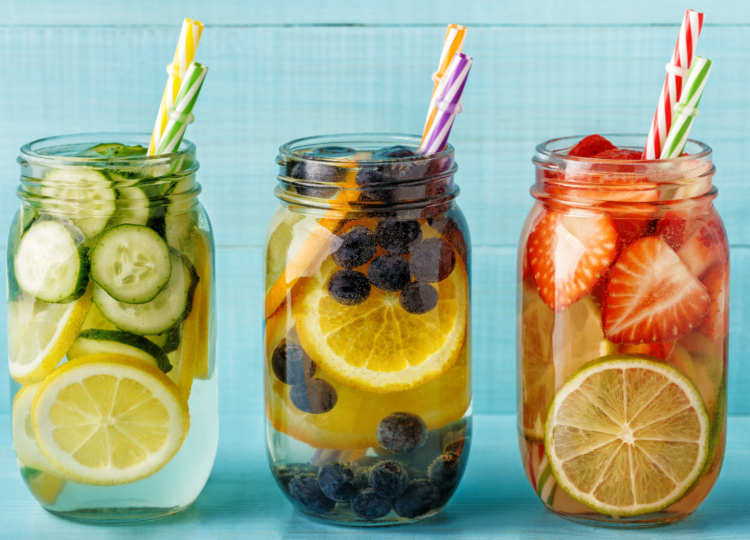
Fruit-infused water is a great way to add flavor without added sugars, and it can encourage kids (and adults) to drink more water. Here are some refreshing and simple ideas:
🍓 Berry-Based Combos
- Strawberry + Mint – Slice strawberries and add a few fresh mint leaves.
- Blueberry + Orange – A handful of blueberries with thin slices of orange.
- Raspberry + Lime – Tart and vibrant, with a splash of citrus.
🍋 Citrus & Herb Combos
- Lemon + Cucumber – Classic, clean, and super hydrating.
- Orange + Basil – Sweet citrus pairs surprisingly well with basil.
- Grapefruit + Rosemary – A more grown-up flavor profile, great for hot days.
🍎 Apple-Inspired Blends
- Green Apple + Cinnamon Stick – A hint of apple pie without the sugar.
- Apple + Ginger Slices – Invigorating and naturally a little spicy.
🍉 Tropical Vibes
- Pineapple + Mint – Sweet and refreshing.
- Mango + Lime – Fruity with a zesty kick.
🍑 Summer Stone Fruits
- Peach + Raspberry – Light and summery.
- Plum + Orange – Juicy and rich in flavor.
🥭 Creative Combos
- Watermelon + Basil – Mildly sweet with a fresh herbal twist.
- Kiwi + Strawberry – Colorful and kid-approved.
- Cucumber + Melon + Mint – Ultra-hydrating and cooling.
Let the fruit sit in water for 30 minutes to a few hours (or overnight in the fridge) for stronger flavor. You can also use a fruit infusion water bottle to keep things tidy and fun for little ones to help prep.
2. Swap flavored yogurt for plain yogurt with fresh fruit
Flavored yogurts marketed for children may seem like a healthy choice, but many are loaded with added sugars, artificial flavors, and thickeners. A single serving can contain more sugar than a small dessert, which contributes to a preference for overly sweet foods and raises the risk of childhood obesity, tooth decay, and other health concerns. Fortunately, there’s a simple, nourishing swap that not only cuts back on sugar but also encourages healthier eating habits: plain yogurt with real fruit.
Plain yogurt is a great source of calcium, protein, and beneficial probiotics, and it allows you to control the flavors and sweetness your child is exposed to. By adding fresh, frozen, or stewed fruit, you offer a natural sweetness without the need for added sugars. This also helps children develop an appreciation for the true taste of foods, rather than overly processed versions.
You may like: 5 Yummy Yogurt Recipes
For example, mix plain whole-milk yogurt with mashed ripe banana for a naturally sweet, creamy treat. Blend in a few spoonfuls of unsweetened applesauce with a dash of cinnamon for a fall-inspired flavor. Fresh or frozen berries are another great option—strawberries, blueberries, or raspberries can be mashed and swirled in, or lightly cooked to make a quick fruit compote. Even grated pear or mango chunks can bring variety and interest to your child’s bowl.
This simple change helps reduce sugar intake, support gut health, and set a positive example for children on what real, nourishing food looks and tastes like.
3. Swap deep-fried foods for baked, grilled, or air-fried versions
Deep-fried foods are often a family favorite, thanks to their crispy texture and savory flavor. But frequent consumption of deep-fried items can lead to long-term health concerns such as increased cholesterol levels, weight gain, and a higher risk of heart disease. For families looking to build healthier eating habits, swapping deep-fried foods for lighter alternatives is a practical and beneficial step, especially when raising children who are learning by example.
The good news is that you can still enjoy texture and flavor without relying on deep frying.
Here are four healthy swaps to try instead of deep frying:
- Baking – Oven baking gives you that crispy finish with far less oil. Think baked sweet potato fries, chicken tenders coated in whole wheat breadcrumbs, or even vegetable chips made from kale, carrots, or zucchini.
- Air Frying – This popular method uses hot air to circulate and cook food, creating a crisp outer layer similar to frying but with significantly less fat. Air-fried cauliflower bites, fish sticks, or homemade nuggets are all great choices for kids.
- Grilling – Grilling brings out natural flavors and requires little to no added fat. Grilled veggies, lean meats, or even fruit like pineapple or peaches can be delicious, family-friendly options.
- Sautéing or Stir-Frying – With just a small amount of oil, sautéing maintains flavor and texture without soaking food in fat. Stir-fried tofu, chicken with vegetables, or shrimp with noodles are nutritious and quick weeknight meals.
By making these simple healthy swaps, families can enjoy satisfying meals without compromising health. Teaching children that food can be both delicious and nourishing helps them form a more balanced relationship with what they eat—and it starts with small, consistent choices like this.
4. Swap ice cream for frozen banana or yogurt-based treats
Ice cream is a well-loved treat, but traditional ice cream is often high in added sugars, saturated fats, and artificial flavors—ingredients that, when consumed regularly, can affect children’s energy levels, mood, and long-term health. For families working toward healthier eating habits, making the healthy swap of ice cream for more nutritious alternatives can make a meaningful difference without sacrificing the enjoyment of a cold, creamy dessert.
Banana “Ice Cream”
One of the easiest and most popular healthy swaps is frozen banana “ice cream”. All you need is a ripe banana, sliced and frozen, then blended until smooth. The result is a naturally sweet, soft-serve-like dessert that feels indulgent but is made entirely from fruit. You can add other ingredients like cocoa powder, peanut butter, or frozen berries to create a variety of flavors your children will love.
Blended Frozen Greek Yogurt
Another great option is yogurt-based frozen treats. Plain Greek yogurt, when blended with fruits like mango, blueberries, or strawberries, creates a creamy mixture that can be poured into popsicle molds or frozen in small cups with sticks. These frozen yogurt pops are rich in protein, calcium, and probiotics—nutrients that support growing bodies and digestive health. To add natural sweetness, a small drizzle of honey or a few chopped dates can go a long way, especially if you’re introducing the treat to little ones used to sweeter store-bought versions.
Frozen Fruit Skewers
If you’re looking for more texture, consider freezing fruit skewers or making smoothie popsicles using spinach, banana, and pineapple. You can also freeze small cubes of blended fruit and yogurt to make mini “bites” that are easy for toddlers to manage.
By introducing frozen fruit- and yogurt-based options early, you help your children build a preference for naturally sweet flavors, rather than highly processed desserts. These swaps are simple, customizable, and full of benefits which makes them a win for both kids and parents aiming to develop a more balanced approach to food.
You may like to read: Uncovering the Allure of Comfort Foods
Over time, consistent, low-pressure exposure to a wide variety of healthy foods paired with calm, connected mealtimes can shape the way children view food and eating. It helps build confidence, curiosity, and a sense of balance. Healthy swaps are just one way to support your family’s well-being while modeling lifelong, mindful eating habits.
Download BLW Meals app for free and explore easy, practical ways to make nutritious choices part of your family’s everyday routine.