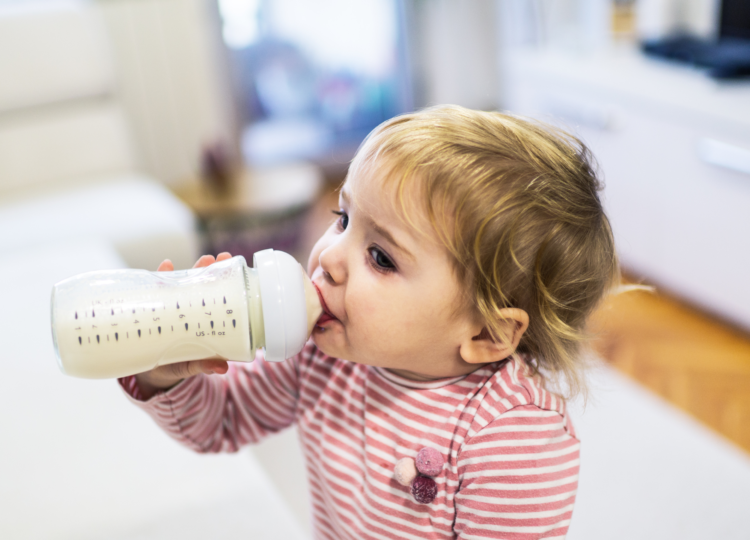

Many parents notice a sudden shift in feeding behaviour around their baby’s first birthday. If your 12-month-old prefers the bottle over solid food, this can feel confusing and concerning, especially if eating solids has been a struggle for some time. The good news is that this is a common transition phase, and there are practical steps you can take to support your child.
Around one year of age, feeding changes significantly, yet this stage is often not discussed in enough detail. Some babies strongly prefer milk feeds because they are familiar, comforting, and easy. This preference can also be influenced by temperament or by limited opportunities to fully explore food during earlier months.
From 6 to 12 months, solid foods are considered complementary to milk feeds. During this period, breast milk or formula provides the majority of a baby’s nutrition, while solids support nutrient exposure, oral motor development, and self-feeding skills. Around 12 months, however, nutrition should gradually begin shifting toward solid foods as the primary source of energy and nutrients.
Why Your 12-Month-Old May Prefer Milk Over Food
At this age, it is common for babies to:
- Rely on milk for comfort and familiarity
- Feel full from bottles offered too close to meals
- Still be developing chewing and swallowing confidence
- Experience teething discomfort that affects appetite
- Begin asserting preferences and independence
This combination can result in a child who eats very little at meals but happily takes bottles.
Read More: Why does my baby nurse more than eat solids?
How to Help Your Baby Eat More Solid Food
If your 12-month-old isn’t eating much food, the first step is to look at timing and routine. Small, realistic adjustments often make the biggest difference.
Spacing milk feeds further away from meals can help ensure your child arrives at the table hungry enough to engage with food. When bottles are offered too close to meals, appetite for solids is naturally reduced.
Gradually reducing the amount of milk offered can also support this transition. At one year, solid food should begin to play a larger role nutritionally. Even reducing milk by one or two ounces per bottle can help create appetite for meals. While it may feel uncomfortable at first, mild hunger between meals is not harmful and often supports better eating.
As milk intake decreases, offering water with meals and throughout the day helps maintain hydration without suppressing appetite. Water also supports cup-drinking skills, which are developmentally appropriate at this stage.
It is also helpful to avoid immediately offering a bottle when a meal is refused. When bottles consistently follow skipped meals, some children learn to wait for milk instead of engaging with food. Allowing a clear separation between meals and milk feeds reinforces the role of food as nourishment.
Other Factors That May Affect Eating at 12 Months
At this age, children often experience appetite fluctuations. Teething, illness, growth spurts, and developmental leaps can all temporarily reduce interest in food. Increased independence can also lead to food refusals as toddlers begin to communicate preferences more clearly.
This transition from milk-based nutrition to food-based nutrition takes time. Progress is rarely immediate, and consistency matters more than how much your child eats on any single day.
If your baby prefers the bottle over food at 12 months, this does not mean they will struggle with eating long term. With responsive feeding, consistent routines, and gradual changes, most children naturally increase their food intake over time. Learn more about how to navigate this phase in BLW Meals app. Download it for free!
This stage is a transition, not a failure. Patience and trust in the process go a long way.
FAQ: Bottle Preference and Eating at 12 Months
Is it normal for a 12-month-old to prefer the bottle over food?
Yes. Many babies prefer milk at this age because it is familiar and comforting. This phase is common during the transition from milk-based to food-based nutrition.
How much milk should a 12-month-old have if they aren’t eating much food?
Needs vary, but gradually reducing milk intake while increasing food exposure helps encourage eating. A healthcare provider can help determine appropriate amounts for your child.
Should I stop offering bottles if my baby won’t eat solids?
Bottles do not need to be stopped abruptly. Instead, spacing them away from meals and slowly reducing volume supports appetite for food without causing distress.
What if my baby skips meals but still wants milk?
Skipping meals occasionally is normal. Avoid immediately replacing meals with bottles, and trust that appetite will regulate over time as routines become consistent.
When should I be concerned about my baby not eating solids?
If your child consistently struggles with chewing, swallowing, growth, or shows distress during meals, it’s best to speak with a pediatrician or feeding specialist for guidance.
Further Reading:
Feeding Infants from Birth to 24 months https://www.ncbi.nlm.nih.gov/books/NBK559362/