
Starting solids is an exciting milestone, but for some parents, it comes with an unexpected side effect: a suddenly very constipated baby. If your little one is straining, going less often, or producing hard, pebble-like stools after introducing first foods, you’re far from alone. Here’s what you need to know about digestive changes when starting solids and how to get things moving again.
Why Does Constipation Happen When Starting Solids?
Before solids, your baby’s digestive system had one job: process breast milk or formula. Both are highly digestible and leave very predictable waste. When you introduce solid foods, everything changes.
New foods bring new fiber types, different proteins, and unfamiliar textures that the gut has never encountered. The digestive muscles, enzymes, and gut bacteria all need time to adapt. This adjustment period can slow things down…sometimes significantly. It’s important to note that constipation can have multiple causes, and it isn’t always just about one particular food being constipating.
Common first foods offered frequently (without variety) that may cause constipation include:
-
- Bananas — particularly green unripe ones
-
- Potato — nutritious but may be stool binding in large amounts
-
- Dairy products like cheese or yogurt
What’s Normal vs. What’s Not
Normal digestive changes when starting solids include:
-
- Fewer bowel movements (from multiple times a day down to once every 2–3 days)
-
- Firmer, more formed stools
-
- Stools that are darker or more varied in color
-
- Mild straining or grunting
Signs that may indicate a problem:
-
- No bowel movement for more than 3–4 days. Or a significant change in stool pattern compared to your child’s normal frequency.
-
- Stools that look like hard, dry pellets
-
- Visible discomfort, bloating, or crying during bowel movements
-
- Blood in the stool
-
- Vomiting alongside constipation
If you notice any of these more serious signs, speak with your pediatrician.
How to Relieve Constipation When Starting Solids
The good news: most baby constipation during the solids transition responds well to simple dietary adjustments.
1. Offer Sips Of Water
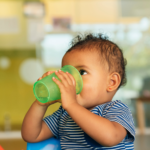
Breast milk and formula contain enough fluid on their own, but once solids begin, small sips of water between meals help soften stools. Offer water in a cup with meals from around 6 months.
2. Introduce High-Fiber “P Foods”
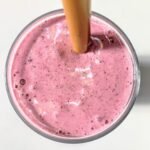
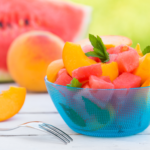
The “P foods” — prunes, pears, peaches, and plums — are naturally rich in sorbitol, a sugar alcohol that draws water into the bowel and softens stools. Pureed or mashed, these make excellent first foods that can actively help with constipation. Check out our Constipation Smoothie recipe in BLW Meals app.
3. Reduce Binding Foods Temporarily
If you’ve been offering rice cereal, try switching to oat or barley cereal instead as both are higher in fiber. Reduce foods like greener bananas, potatoes and or rice-based products until digestion settles.
4. Try a Gentle Tummy Massage
Lay your baby on their back and use two fingers to make gentle clockwise circles on their tummy. Follow this with bicycle leg movements, gently pedaling their legs. This can stimulate bowel movement and relieve discomfort.
5. Keep Moving
Physical activity, even the rolling and tummy time typical at this age — helps stimulate the gut. Don’t skip those active play sessions!
When to See a Doctor
As your baby starts to eat more, most constipation during the solids transition resolves within a week or two as your baby’s gut adapts. However, consult a healthcare professional if constipation is severe, persistent (more than a week), or accompanied by other symptoms like fever, vomiting, or blood in the stool.
Your doctor may recommend an infant-safe stool softener or investigate for underlying causes such as cow’s milk protein intolerance or, rarely, conditions like Hirschsprung’s disease.
Some digestive disruption when starting solids is completely normal because your baby’s gut is learning a new skill. By choosing fiber-rich first foods, offering water, and avoiding binding foods while things settle, most parents can manage this phase without much fuss. Stay attuned to your baby’s cues, be patient with the process, and remember: this is just one of many small hurdles on the road to family mealtimes.
Always consult your pediatrician if you’re unsure whether your baby’s symptoms are within the normal range
Frequently Asked Questions About Baby Constipation After Starting Solids
Is it normal for babies to get constipated after starting solids?
Yes. Constipation can happen when babies begin eating solid foods because their digestive system is adjusting to new types of fiber, proteins, and textures. Bowel movements may also become less frequent and stools more formed. However, hard, dry pellet-like stools or obvious pain while pooping can be signs of constipation.
How long does constipation last after starting solids?
For many babies, digestive changes improve within a week or two as their gut adjusts to solid foods. If constipation lasts longer than a week, becomes severe, or is accompanied by symptoms such as vomiting, fever, or blood in the stool, contact your pediatrician.
What foods help a constipated baby after starting solids?
Fiber-rich fruits such as prunes, pears, peaches, and plums can help. These foods contain sorbitol, which can draw water into the bowel and help soften stools. Oat or barley cereal can also provide more fiber than rice cereal.
What foods can make baby constipation worse?
Some babies may become more constipated when they frequently eat foods such as green or underripe bananas, potatoes, rice-based foods, cheese, or yogurt. These foods do not need to be eliminated permanently, but offering more variety and temporarily reducing foods that appear to be binding may help.
How can I relieve my baby’s constipation naturally?
For babies who have started solids, offering appropriate amounts of water with meals, serving fiber-rich foods, encouraging movement, and trying a gentle tummy massage or bicycle-leg movements may help encourage bowel movements.
Can I give my baby water for constipation after starting solids?
Once your baby begins solids at around 6 months, you can offer small sips of water in a cup with meals. Breast milk or formula should still remain an important source of nutrition and hydration during infancy.
Are prunes good for a constipated baby?
Yes. Prunes are a commonly used food for babies experiencing constipation because they contain fiber and naturally occurring sorbitol, which can help soften stool. Prunes can be served in an age-appropriate texture such as mashed or pureed.
Do bananas cause constipation in babies?
Bananas do not cause constipation in every baby, but green or underripe bananas may be more stool-binding for some babies. If your baby is constipated and eats bananas frequently, try offering ripe bananas less often while adding a greater variety of fiber-rich fruits.
How often should a baby poop after starting solids?
There is a wide range of normal. Some babies who previously pooped several times a day may begin having a bowel movement every two or three days after starting solids. Stool consistency and your baby’s comfort are often more important than frequency alone.
How do I know if my baby is actually constipated?
Constipation is more than simply going a day or two without pooping. Signs can include hard, dry or pellet-like stools, painful bowel movements, significant straining, bloating, or a noticeable change from your baby’s usual bowel pattern.
Is straining while pooping normal when babies start solids?
Some grunting or mild straining can be normal while babies adjust to firmer stools. However, frequent painful straining, crying, or passing hard, dry stools may indicate constipation.
Does rice cereal cause constipation in babies?
Rice cereal can be more binding and generally contains less fiber than alternatives such as oat or barley cereal. If your baby becomes constipated after starting rice cereal, you may want to offer other grains and a wider variety of fiber-rich foods.
Can tummy massage help a constipated baby?
A gentle tummy massage may help stimulate the digestive system. With your baby lying on their back, gently massage the abdomen in clockwise circles. Bicycle-leg movements can also encourage movement through the digestive tract.
Should I stop giving solids if my baby is constipated?
Usually, you do not need to stop solids entirely. Instead, focus on offering a variety of foods, including fiber-rich fruits and vegetables, and temporarily reduce foods that seem particularly binding. Continue offering breast milk or formula as usual.
When should I call the doctor about my baby’s constipation?
Contact your pediatrician if constipation is severe or persistent, if your baby has not had a bowel movement for several days and this is unusual for them, or if constipation occurs with vomiting, fever, blood in the stool, significant abdominal swelling, feeding difficulties, or substantial discomfort.