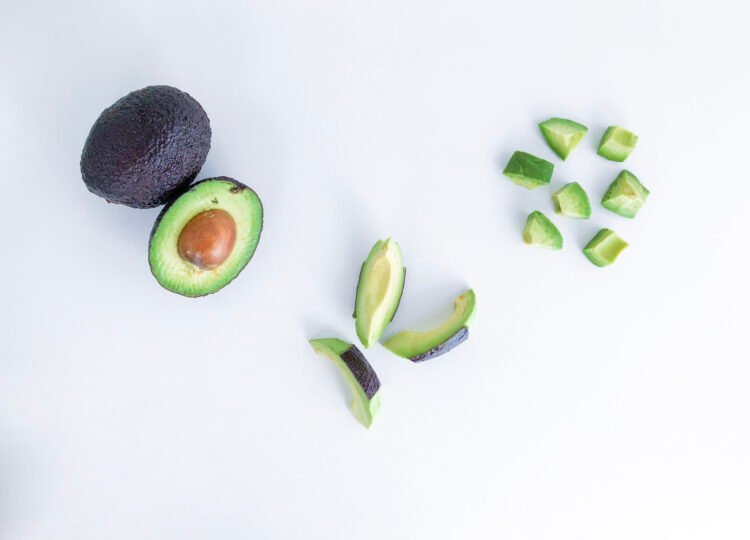

When can babies have avocado?
Avocado is one of the most popular first foods for babies. Whether you are feeding it for the first time, or adding it to your baby’s menu, here are some things to note when serving avocado.
How to serve avocados to babies
Avocado is one of the best first foods to offer your baby when starting solids — it’s soft, nutrient-dense, and super easy to prepare. At 6 months, when your baby is showing readiness for solids, you can offer avocado.
6–8 Months – Serving with a Spoon
If you’re not using finger foods yet, mash the avocado and pre-load it onto a baby spoon. Around 7–8 months, consider transitioning to bite-sized pieces as your baby becomes more skilled with self-feeding.

How to prepare avocado for babies aged 6–8 months BLW style
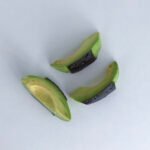
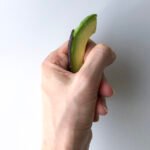
- Cut the avocado into finger-width wedges (about 1 inch thick).
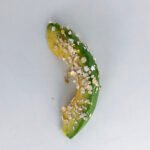
- Leave the peel on the middle portion of each wedge—this gives your baby a non-slip grip and prevents the fruit from sliding out of their hand.
- Peel the tips so that your baby can access the flesh without the peel getting stuck in their mouth.
- Alternative: Peel the entire wedge and roll it in finely ground oats to help reduce slipperiness.
9 Months and Up
Once your baby has developed the pincer grasp (usually around 8–9 months), peel the avocado fully and cut it into small, bite-sized pieces for easier self-feeding. Learn more in BLW Meals app — download it for free and get access to our full first foods library.
Storage & Freshness
- Store whole avocados in a cool, ventilated place away from direct sunlight.
- Once cut, keep the avocado in the fridge for up to 3 days. Leave the pit in and add a few drops of lemon or lime to reduce browning.
- Always store in an airtight container, cling wrap, or a freezer-safe bag.
- Tip: To ripen avocados faster, place them near bananas or apples.
Nutritional Highlights
Health Benefits:
Avocados are energy-dense fruits packed with protein and healthy monounsaturated fats. They’re a good source of B vitamins, vitamin A, and small amounts of vitamins D and E. They also contain important minerals such as magnesium, potassium, calcium, and phosphorus.
Digestive Impact:
Avocados can help soften stools. However, every baby is different, so monitor how your child responds.
Allergy Risk:
Avocado allergies are rare, but as with any new food, it’s best to introduce it on its own and watch for any reactions.
Did You Know?
Avocados are incredibly versatile and can be used in both sweet and savory dishes. Their popularity has surged in the last decade, and in the U.S., the Hass variety is the most widely available year-round. It’s known for its creamy texture and mild, nutty flavor.